

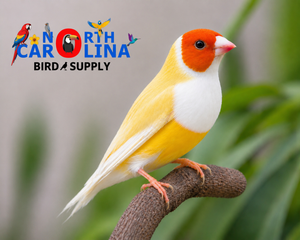
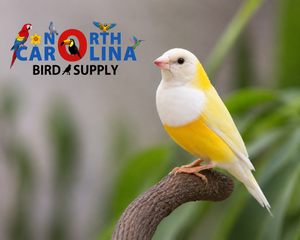
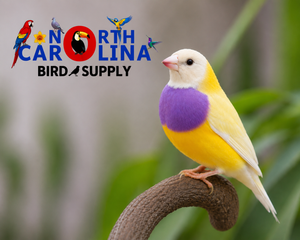
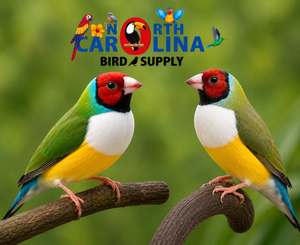
Gouldian finches
Guarantee Safe Checkout
Gouldian finches
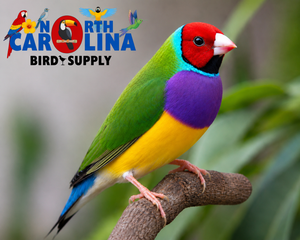
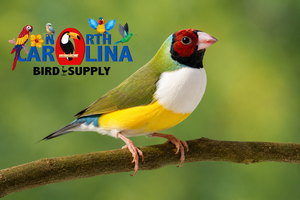
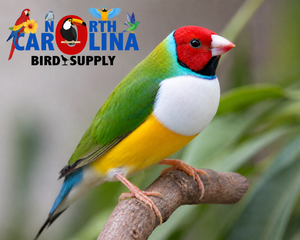
The Gouldian Finch, also known as the Lady Gouldian Finch or Rainbow Finch, is one of the most colorful finches in the world. Native to northern Australia, they are popular aviary birds because of their beautiful colors and generally peaceful nature.
Basic Information
- Scientific name: Erythrura gouldiae
- Origin: Northern regions of Australia
- Average lifespan: 5–8 years, with proper care often reaching 10 years
- Adult size: 5–6 inches (12.5–14 cm)
- Temperament: Peaceful, social, and somewhat sensitive to stress
- Best kept: In pairs or small groups
Natural Habitat
In the wild, Gouldian finches live in tropical savannas, open woodlands, and grasslands. They move seasonally in search of fresh grass seeds and water.
Wild populations have declined because of habitat loss, changes in fire management, disease, and competition for nesting sites.
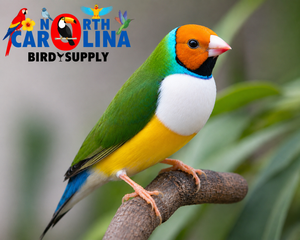
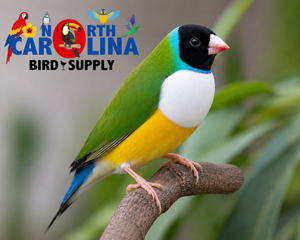
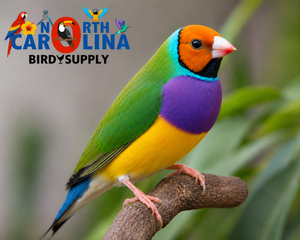
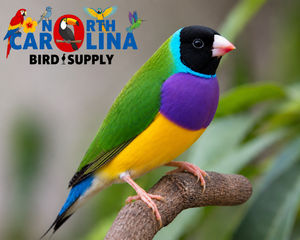
Color Mutations and Genetics
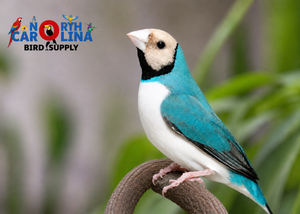
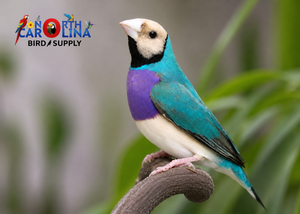
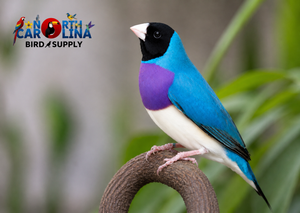
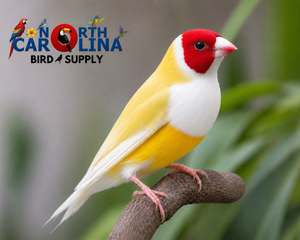
Natural Head Colors
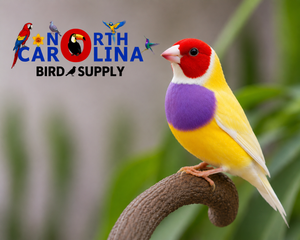
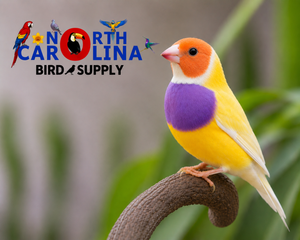
- Black head: Most common in the wild
- Red head: Dominant over black head
- Yellow/orange head: Recessive mutation
Body Colors
- Green back (wild type)
- Blue back
- Yellow back
- Silver back
- Pastel
- Cinnamon
- White-breasted
- Purple-breasted
- Albino and lutino varieties
Chest Colors
- Purple chest (wild type)
- White chest
- Lilac variations
Males usually display brighter colors than females.
Sex Differences
Males
- Brighter colors
- Sing and perform courtship dances
- Larger, more vibrant chest patches
Females
- Slightly duller coloration
- Rarely sing
- Smaller and less intense chest colors
Housing Requirements
Cage Size
- Minimum for one pair: 30 × 18 × 18 inches (76 × 46 × 46 cm)
- Larger flight cages or aviaries are strongly preferred
Environment
- Temperature: 70–85°F (21–29°C)
- Avoid sudden temperature changes
- Humidity: 40–60%
- Keep away from drafts and direct air conditioning
Perches
Use natural wood perches of different diameters to promote foot health.
Diet
A high-quality finch diet should include:
- Premium finch seed mix
- Fresh seeding grasses when available
- Egg food during breeding and molting
- Fresh vegetables such as broccoli, spinach, kale, and grated carrot
- Small amounts of herbs and sprouts
- Mineral grit is not required, but provide cuttlebone and mineral blocks for calcium
- Fresh water daily
Treats
Offer in moderation:
- Millet sprays
- Perilla seeds
- Chia seeds
Avoid avocado, chocolate, caffeine, onion, garlic, alcohol, and salty foods.
Breeding
Breeding Age
- Best age: 10–18 months
- Avoid breeding birds under 9 months
Nesting
- Use enclosed finch nest boxes
- Provide coconut fiber, soft grasses, and sisal fibers
Clutch Size
- 4–8 eggs
- Incubation: 14–16 days
- Fledging: 21–24 days after hatching
Some pairs raise their own chicks successfully, while others may require experienced foster parents such as Society Finches.
Breeding Tips
- Condition birds with egg food and greens before breeding
- Avoid overcrowding
- Do not disturb nests frequently
- Provide extra calcium during egg laying
- Remove aggressive birds from breeding groups
Common Health Problems
Watch for:
- Air sac mite infestations
- Obesity from excessive seeds
- Calcium deficiency
- Egg binding
- Respiratory infections
- Stress-related illness
Signs of illness include:
- Fluffed feathers
- Tail bobbing
- Weight loss
- Reduced activity
- Labored breathing
Gouldians hide illness well, so early veterinary care is important.
Molting
Young Gouldians undergo their first major molt at 3–5 months old. During molting:
- Increase protein intake
- Offer extra vitamins and minerals
- Minimize stress
- Keep temperatures stable
Compatibility
Gouldian finches generally do well with:
- Society finches
- Star finches
- Zebra finches (in spacious aviaries)
Avoid housing them with aggressive species.
Key Care Tips for Success
- Keep them warm and draft-free.
- Maintain excellent hygiene.
- Provide a varied diet.
- Avoid overcrowding.
- Quarantine new birds for at least 30 days.
- Observe them daily for behavior changes.
- Buy birds from reputable breeders.
Because you already work with finches, paying close attention to genetics and maintaining detailed breeding records will help you produce healthier birds and predict color outcomes more accurately.
| Gender |
Male, Female, Pair |
|---|---|
| Mutation |
Green back + white chest + red head, Green back + white chest + orange head, Green back + white chest + black head, Green back + purple chest + orange head, Green back + purple chest + red head, Green back + purple chest + black head, Blue back + white chest + red head, Blue back + purple chest + black head, Blue back + purple chest + camel head, Yellow back + white chest + red head, Yellow back + white chest + orange head, Yellow back + white chest + black head, Yellow back + purple chest + black head, Yellow back + purple chest + red head, Yellow back + purple chest + orange head |


